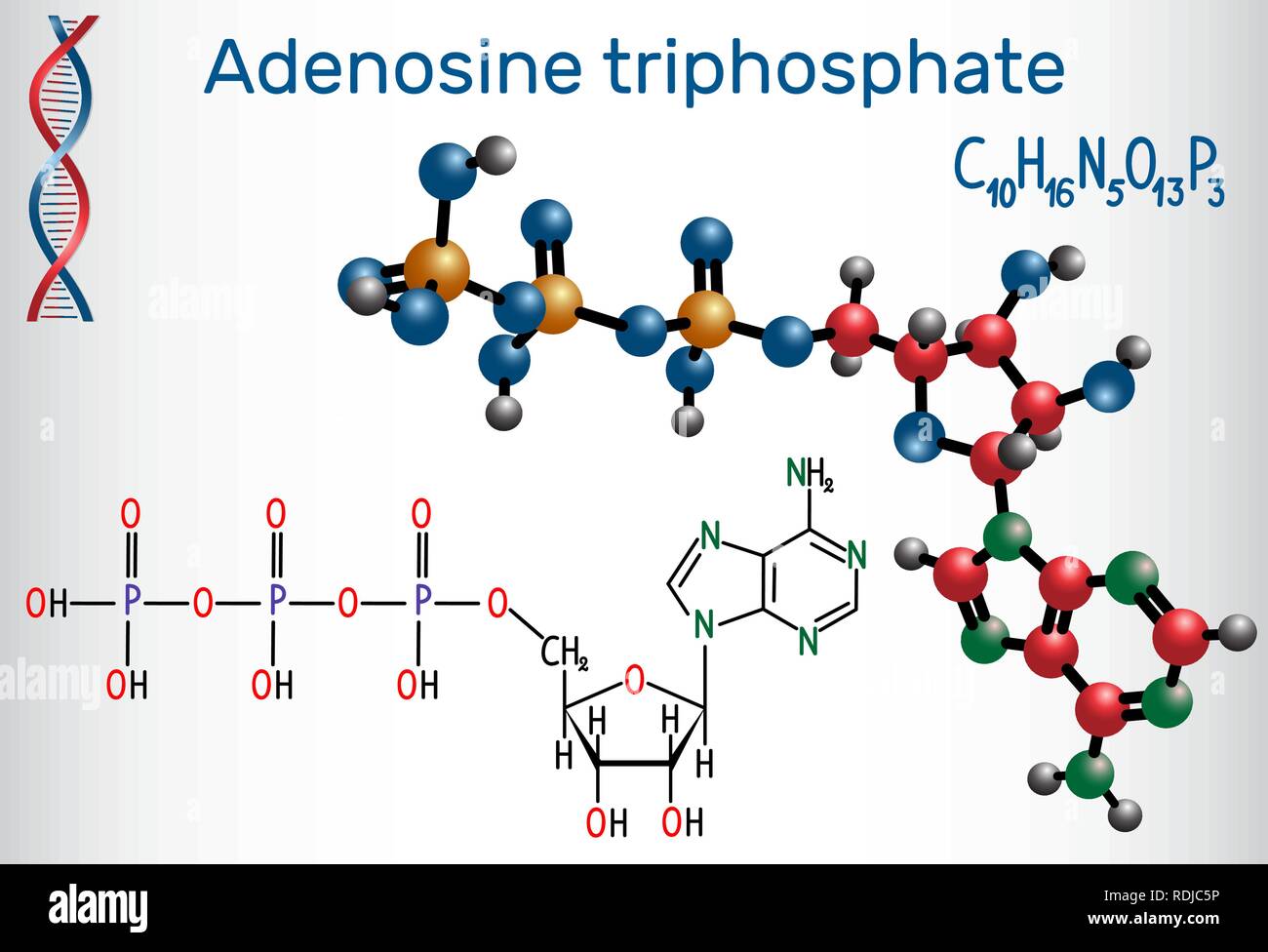
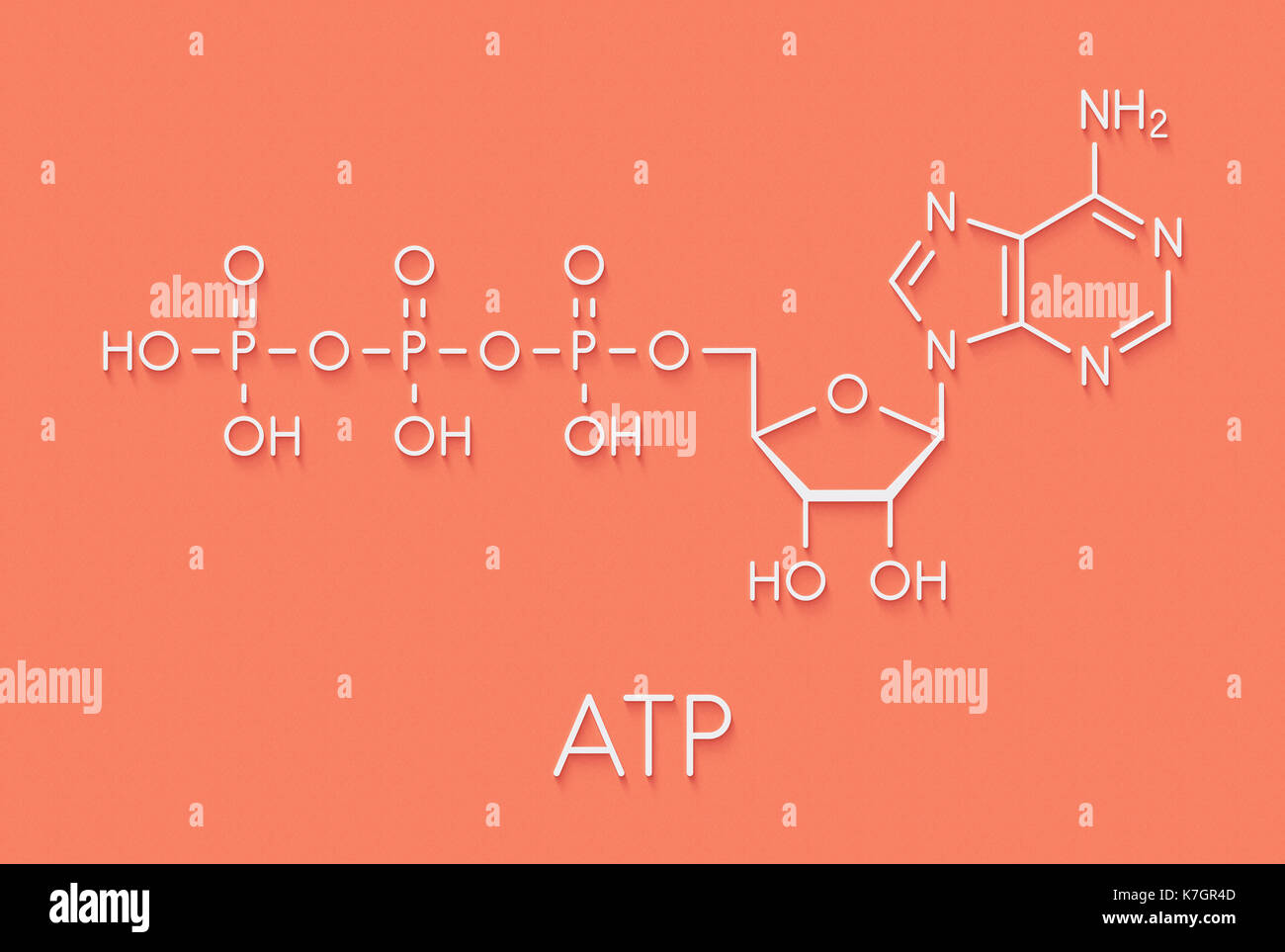
41 adenosine triphosphate (atp) is a molecule that provides energy for cellular functions. label the three major components of an atp molecule.
What Is ATP (Adenosine Triphosphate) and What Does It Do? - LuminUltra Adenosine Triphosphate (ATP) is the primary energy carrier in all living organisms on earth. Microorganisms capture and store energy metabolized from food and light sources in the form of ATP. When the cell requires energy, ATP is broken down through hydrolysis. The high energy bond is broken and a phosphoryl group is removed. How Does ADP Become ATP? Cycle, Structure, and Function - Study.com Adenosine triphosphate (ATP) is the premier energy molecule in most living organisms. Its energy is used to push biochemical reactions forward, and it is often referred to as the "energy currency"...
Cell (biology) - Wikipedia Prokaryotes include bacteria and archaea, two of the three domains of life.Prokaryotic cells were the first form of life on Earth, characterized by having vital biological processes including cell signaling.They are simpler and smaller than eukaryotic cells, and lack a nucleus, and other membrane-bound organelles.The DNA of a prokaryotic cell consists of a single circular …
Adenosine triphosphate (atp) is a molecule that provides energy for cellular functions. label the three major components of an atp molecule.
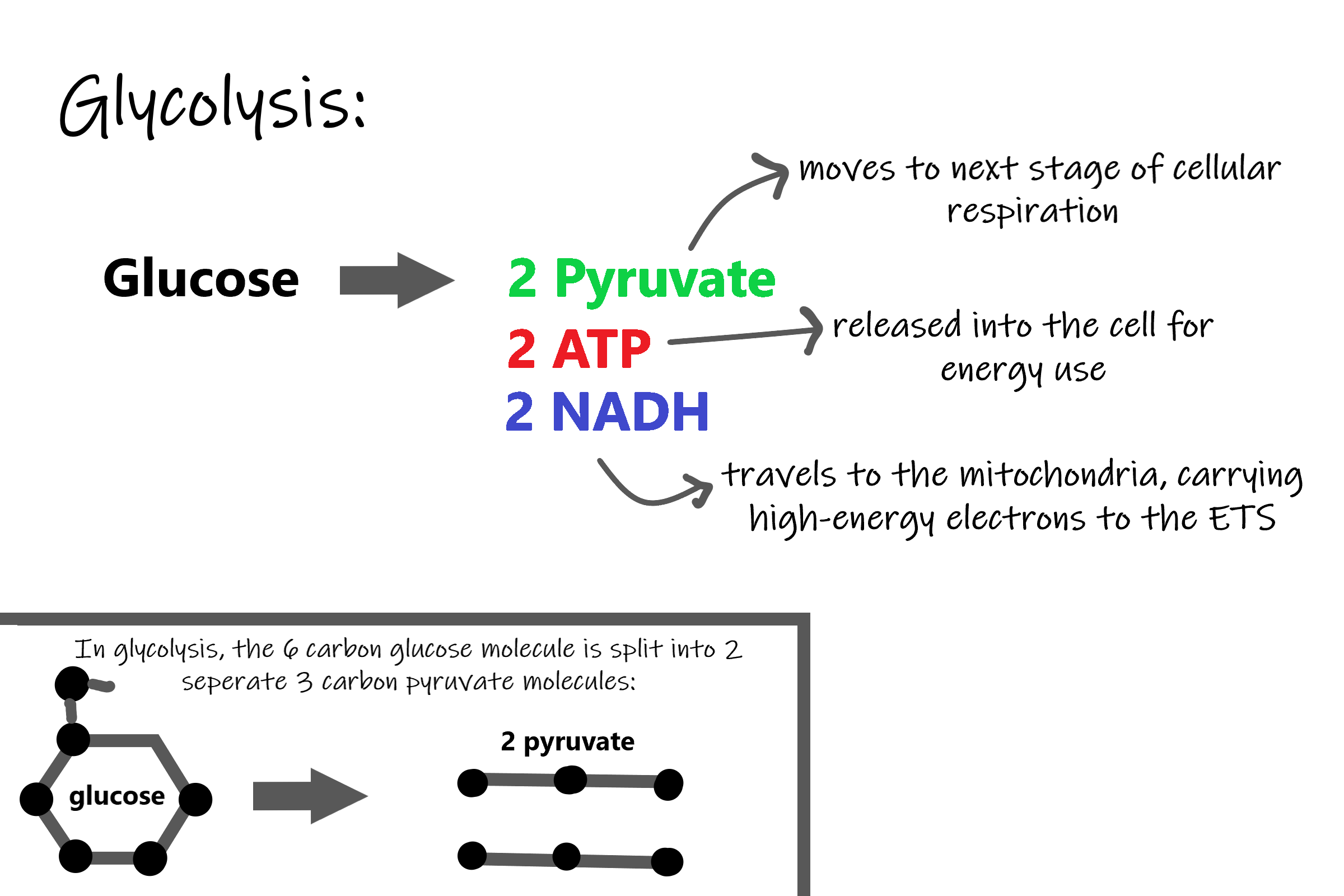
How Cells Obtain Energy from Food - Molecular Biology of the Cell ... During glycolysis, a glucose molecule with six carbon atoms is converted into two molecules of pyruvate, each of which contains three carbon atoms. For each molecule of glucose, two molecules of ATP are hydrolyzed to provide energy to drive the early steps, but four molecules of ATP are produced in the later steps. BIOL 1408 SAPLING CH 4 HW Flashcards | Quizlet Adenosine triphosphate (ATP) is a molecule that provides energy for cellular functions. Label three major components of an ATP molecule. (top) adenine (middle) three phosphate groups (bottom) ribose a carbohydrate that enters glycolysis directly glucose the direct energy source for glycolysis ATP Difference between ATP and ADP ADP (Adenosine diphosphate) ATP (Adenosine triphosphate) Phosphate group: It has two phosphate group: It has three phosphate group: Chemical formula: C10H15N5O10P2: C10H16N5O13P3: Molar mass: 427.201 g/mol: 507.18 g/mol: Characteristics: Low energy molecule: High energy molecule: Functions: Catabolic pathways like glycolysis, oxidative ...
Adenosine triphosphate (atp) is a molecule that provides energy for cellular functions. label the three major components of an atp molecule.. Adenosine Triphosphate (ATP) - Definition, Structure and Function Adenosine triphosphate, also known as ATP, is a molecule that carries energy within cells. It is the main energy currency of the cell, and it is an end product of the processes of photophosphorylation (adding a phosphate group to a molecule using energy from light), cellular respiration, and fermentation. Recent progress and perspectives of continuous in vivo testing … Three electrodes of diameter 75 μm, namely a working (gold) electrode, a reference (Ag/AgCl) electrode and counter (platinum) electrode, were bound together to form a three electrode system. The working electrode was cleaned and its surface roughened prior to binding of the aptamer. The sensor was inserted into the jugular vein of a rat via a 22-gauge urinary catheter … (PDF) Engineering Chemistry by Jain & Jain - Academia.edu Enter the email address you signed up with and we'll email you a reset link. Maharashtra Board Class 10 Science Solutions Part 2 Chapter 2 … 13/01/2021 · In this energy-rich molecule the energy remains trapped in the bonds by which phosphate groups are attached to each other. ATP molecules are stored in the cells. As per the need, energy is derived by breaking the phosphate bond of ATP. During cellular respiration, the oxidation of glucose yields 38 molecules of ATP. Whenever required they are ...
› 37796622 › Engineering_ChemistryEngineering Chemistry by Jain & Jain - Academia.edu Enter the email address you signed up with and we'll email you a reset link. › 1422/0067/23-15 › 8141The Role of HDACs in the Response of Cancer Cells to Cellular ... Jul 24, 2022 · Throughout the process of carcinogenesis, cancer cells develop intricate networks to adapt to a variety of stressful conditions including DNA damage, nutrient deprivation, and hypoxia. These molecular networks encounter genomic instability and mutations coupled with changes in the gene expression programs due to genetic and epigenetic alterations. Histone deacetylases (HDACs) are important ... ATP cycle and reaction coupling | Energy (article) | Khan Academy ATP structure, ATP hydrolysis to ADP, and reaction coupling. ATP structure, ATP hydrolysis to ADP, and reaction coupling. ... Practice: Cellular energy. Next lesson. Photosynthesis. Sort by: Top Voted. Reaction coupling to create glucose-6-phosphate. Introduction to metabolism: Anabolism and catabolism. Up Next. ATP Overview & Uses | What Does ATP Stand For? - Study.com ATP is an abbreviation for adenosine triphosphate. The name refers to the fact that the molecule contains three phosphates, a sugar, and one carbon-based molecule called adenine. What cell requires...
What are three parts of an ATP molecule? | Socratic Explanation: ATP molecules are used by all living organism as energy to carry out life functions. Also notable, ATP stands for Adenosine Triphosphate. This molecule is composed of three parts: Adenine. Ribose. Three Phosphate Groups. Here is a picture: ATP - Energy Currency of the Cell - Structure and its Functions - BYJUS ATP - Adenosine triphosphate is called the energy currency of the cell. It is the organic compound composed of the phosphate groups, adenine, and the sugar ribose. These molecules provide energy for various biochemical processes in the body. Therefore, it is called "Energy Currency of the Cell". Solved Adenosine triphosphate (ATP) is a molecule that - Chegg Chemistry. Chemistry questions and answers. Adenosine triphosphate (ATP) is a molecule that provides energy for cellular functions. Label three major components of an ATP molecule. NH, Answer Bank guanine three phosphate groups v=CH deoxyribose adenine -O-P-0 - P-0 — -0-CH ribose k H H two phosphate groups ОН ОН. Creatine and Creatinine Metabolism | Physiological Reviews 01/01/2001 · I. INTRODUCTION. Ever since the discovery of phosphorylcreatine (PCr) in 1927 and of the creatine kinase (CK; EC 2.7.3.2) reaction in 1934 (see Refs.140, 833), research efforts focused mainly on biochemical, physiological, and pathological aspects of the CK reaction itself and on its involvement in “high-energy phosphate” metabolism of cells and tissues with high …
How is the structure of ATP related to its role as a ...
Difference Between ATP and ADP - Biology Reader The difference between ATP and ADP is primarily due to the three factors like their energy state, the number of phosphate groups and the hydrolysis process. ATP is comparatively a high energy molecule than the ADP. There are three phosphate groups in ATP, while two in ADP. A cell needs energy to perform different tasks, for which it hydrolyzes ...
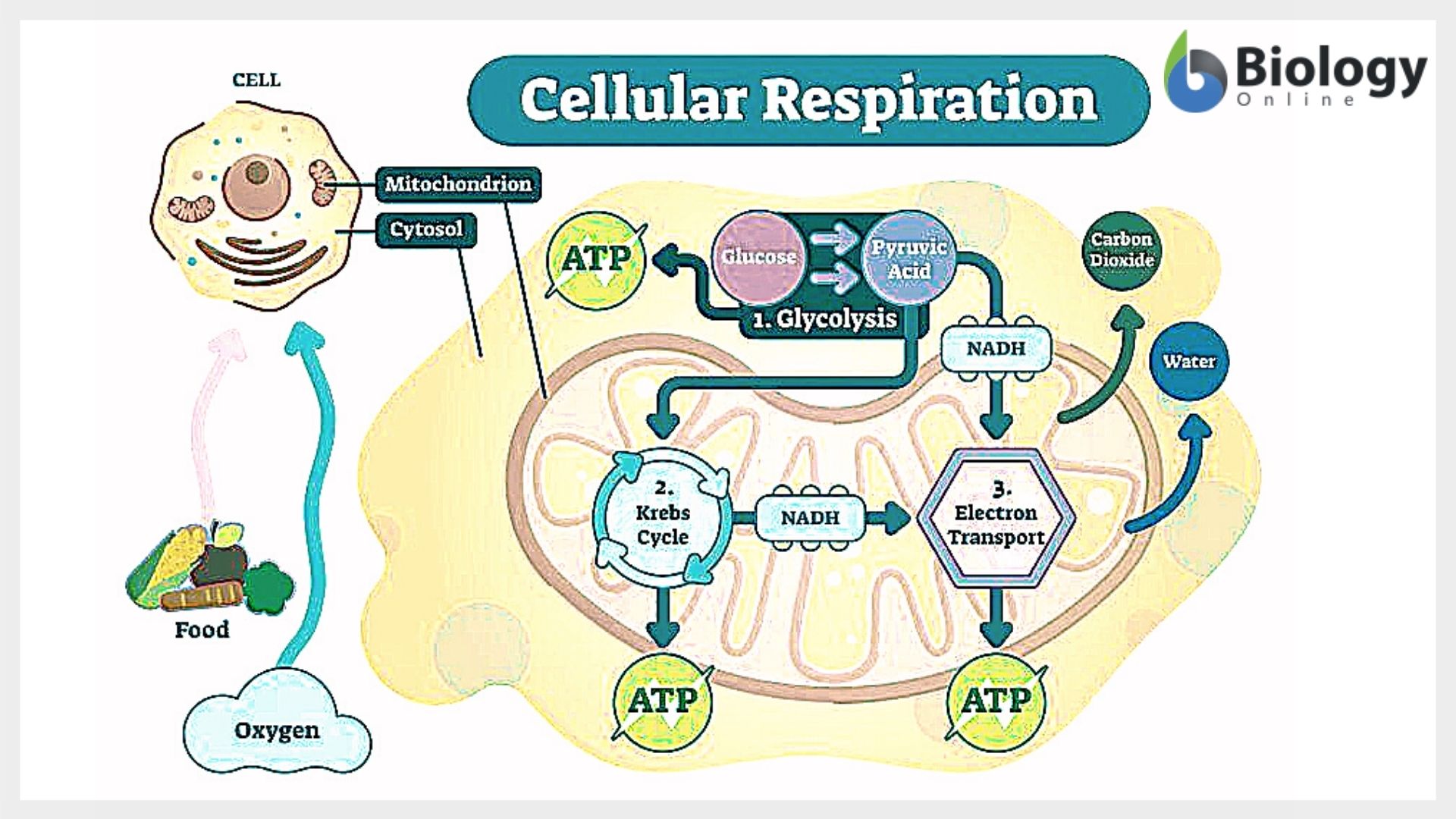
Cellular respiration - Definition and Examples - Biology ...
Chapter 7 Flashcards | Quizlet ATP Adenosine triphosphate (ATP) is a molecule that provides energy for cellular functions. Label three major components of an ATP molecule. three phosphate,ribose,adenine Classify the following statements about the structure of an adenosine triphosphate (ATP) molecule as true or false. Reminder: Adenosine diphosphate is abbreviated ADP.
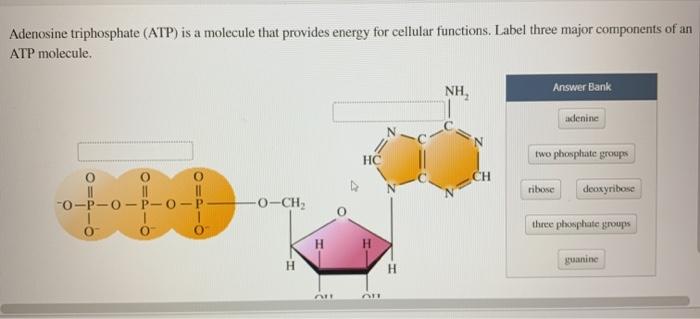
Solved Adenosine triphosphate (ATP) is a molecule that ...
› sponsored › the-best-creatineThe Best Creatine Monohydrate Supplements Reviewed Summer 2022 Aug 05, 2022 · Our bodies do not have adenosine triphosphate for more than 10 seconds of energy. You give an additional phosphate molecule to your ADP (adenosine diphosphate) to generate ATP when you consume ...
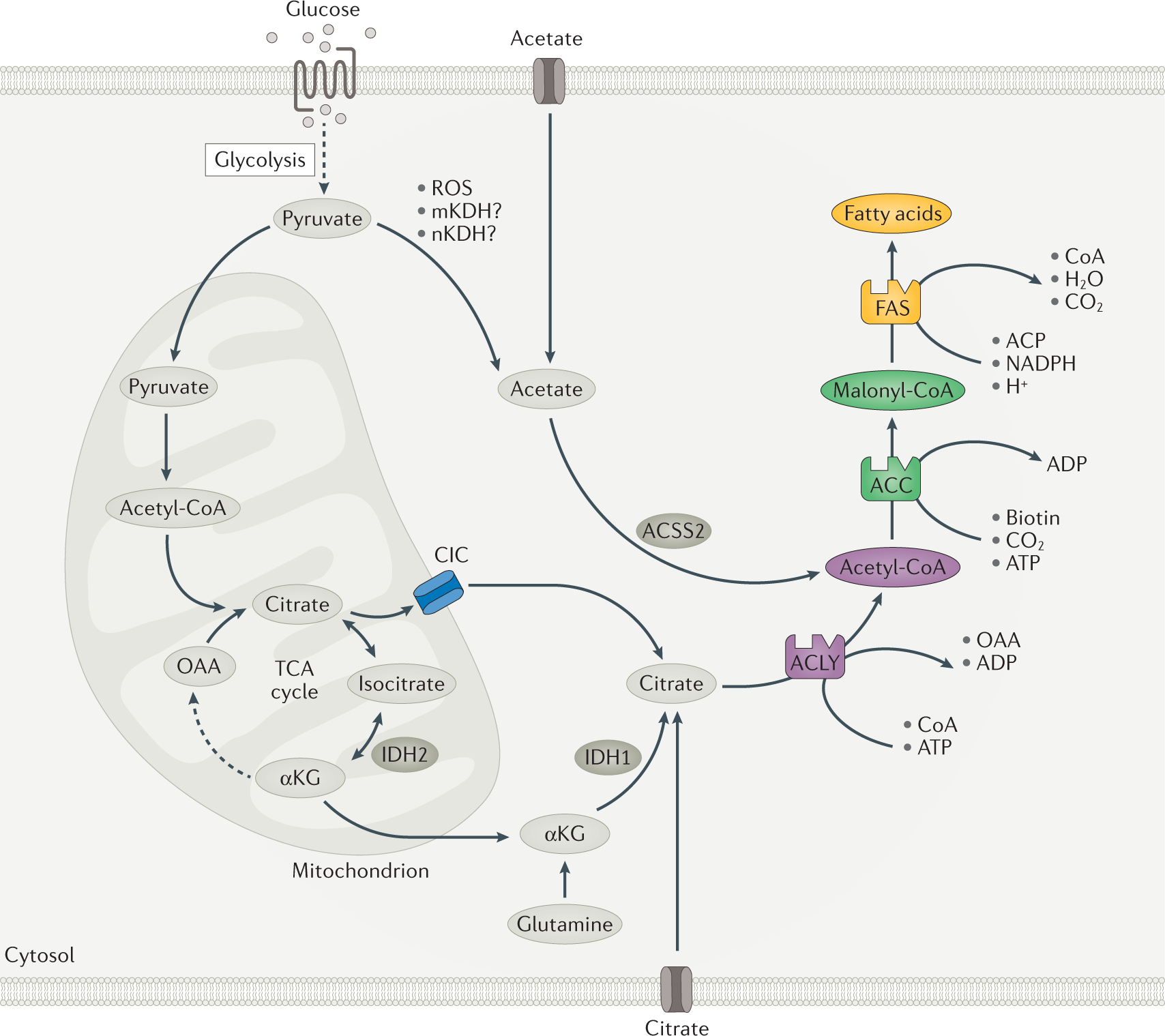
Lipogenesis inhibitors: therapeutic opportunities and ...
› 17849125 › Biochemistry_QuestionsBiochemistry ; Questions and Answers - Academia.edu Enter the email address you signed up with and we'll email you a reset link.

Identification of Two Non-Peptidergic Small Molecule ...
maharashtraboardsolutions.com › maharashtra-boardMaharashtra Board Class 10 Science Solutions Part 2 Chapter 2 ... Jan 13, 2021 · Chemical composition of ATP is as follows: it is a triphosphate molecule having adenosine ribonucleoside. The nitrogenous compound-adenine, pentose sugar-ribose and three phosphate groups are present in ATP. In this energy-rich molecule the energy remains trapped in the bonds by which phosphate groups are attached to each other.

Cell Energy, Cell Functions | Learn Science at Scitable
Understanding ATP—10 Cellular Energy Questions Answered What Kind of Molecule is ATP? The initials ATP stand for adenosine tri-phosphate. This long name translates to a nucleic acid (protein) attached to a sugar and phosphate chain. Phosphate chains are groups of phosphorous and oxygen atoms linked together. One cool fact: ATP closely resembles the proteins found in genetic material. 3.
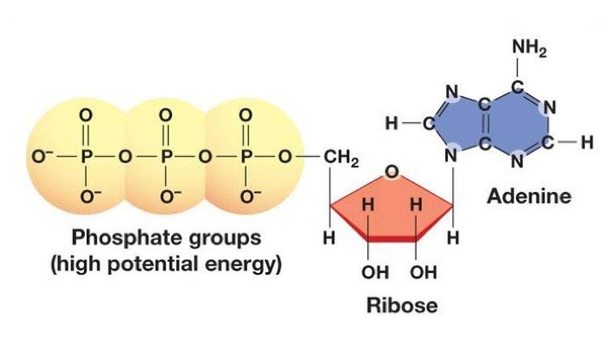
High Energy Phosphate System
Phase-separating RNA-binding proteins form heterogeneous 07/07/2022 · Phase separation of RNA-binding proteins with disordered prion-like domains (PLDs) and RNA-binding domains (RBDs) is implicated in the formation and dissolution of membraneless biomolecular condensates such as RNA–protein (RNP) granules (1–9).Macroscopic phase separation is a process whereby a macromolecule in a solvent …
Atp synthesis hi-res stock photography and images - Alamy
Cellular Respiration - Definition, Equation and Steps - Biology Dictionary The main product of any cellular respiration is the molecule adenosine triphosphate (ATP). This molecule stores the energy released during respiration and allows the cell to transfer this energy to various parts of the cell. ATP is used by a number of cellular components as a source of energy.

Chemical-State-Dependent Free Energy Profile from Single ...
Cellular Function and ATP Energy Production - Kaiyan Medical Red and infrared light promotes melatonin production. This stimulates the production of adenosine triphosphate (ATP). ATP is essential to function properly as it provides our body's cells with energy. This is why red light therapy products are so effective for speeding up the healing process.
4.10 Cellular Respiration – Human Biology
ATP+Video+Questions (1).docx - Amoeba Sisters Video Recap:... 3. As a nucleotide derivative, ATP has three major components. Label the following parts of ATP. Adenosine triphosphate _____ 2. Which type of biomolecule is ATP? Recall the biomolecules include carbohydrates, lipids, proteins, and nucleic acids. _____ Adenine Phosphate Ribose 4. ATP is used to power many cellular processes!

ATP: Adenosine Triphosphate | Boundless Biology | | Course Hero
› doi › 10Phase-separating RNA-binding proteins form heterogeneous ... Jul 07, 2022 · Similar results were obtained when we queried the effects of adenosine 5′-triphosphate (ATP), which is thought to be a condensate dissolving hydrotrope at the concentrations used here . Further, the distributions of clusters formed at c sat (∼2 µM) show minimal changes in the presence of HD and/or ATP (Fig. 9D).

Triphosphate Atp Stock Illustrations – 171 Triphosphate Atp ...
The Role of HDACs in the Response of Cancer Cells to Cellular … 24/07/2022 · Different cellular stress conditions were recognized to induce autophagy (ATP secretion) or necrosis (inflammation) or to stimulate the release of damage-associated molecular patterns (DAMPs), which trigger a form of cell death called immunogenic cell death (ICD), to eliminate the stressed cells. ICD triggers the activation of the immune response against cancer …
Adenosine triphosphate atp hi-res stock photography and ...
Learn About the 3 Main Stages of Cellular Respiration - ThoughtCo The three processes of ATP production or celluar respiration include glycolysis, the tricarboxylic acid cycle, and oxidative phosphorylation. Encyclopaedia Britannica/UIG/Getty Images. We all need energy to function, and we get that energy from the foods we eat. Extracting those nutrients necessary to keep us going and then converting them into ...

Release of adenosine triphosphate (ATP) as a function of ...
ATP: Adenosine Triphosphate | Boundless Biology | | Course Hero Adenosine triphosphate is composed of the nitrogenous base adenine, the five-carbon sugar ribose, and three phosphate groups. ATP is hydrolyzed to ADP in the reaction ATP+H2O→ADP+Pi+ free energy; the calculated ∆G for the hydrolysis of 1 mole of ATP is -57 kJ/mol.
Chapter 1: The Foundations of Biochemistry – Chemistry
adenosine triphosphate | Definition, Structure, Function, & Facts Usually only the outer phosphate is removed from ATP to yield energy; when this occurs ATP is converted to adenosine diphosphate (ADP), the form of the nucleotide having only two phosphates. ATP is able to power cellular processes by transferring a phosphate group to another molecule (a process called phosphorylation). This transfer is carried out by special enzymes that couple the release of energy from ATP to cellular activities that require energy.

Adenosine Triphosphate Stock Illustrations – 216 Adenosine ...
(Solved) - The highest-energy phosphate bond in ATP is located between ... Explanation: A bond that ...

Examine the structures adenine, ribose, and a three-phosphate chain in adenosine triphosphate molecule and their role in releasing energy for cellular activities
The Best Creatine Monohydrate Supplements Reviewed Summer … 05/08/2022 · Our bodies do not have adenosine triphosphate for more than 10 seconds of energy. You give an additional phosphate molecule to your ADP (adenosine diphosphate) to generate ATP when you consume ...

Inorganic Polyphosphates As Storage for and Generator of ...
Biology Notes Form 2 PDF | Biology Form 2 Questions and … Cellular components suspended in plasma include; erythrocytes (red blood cells), leucocytes (white blood cells) thrombocytes (platelets) blood proteins. Plasma . This is a pale yellow fluid consisting of 90% water. There are dissolved substances which include; glucose, amino acids, lipids, salts, hormones, urea, fibrinogen, albumen, antibodies, some enzymes suspended cells. …

Adenosine Triphosphate - an overview | ScienceDirect Topics
Biochemistry ; Questions and Answers - Academia.edu Enter the email address you signed up with and we'll email you a reset link.

What are the components of adenosine triphosphate ATP? - Quora
The Three Primary Energy Pathways Explained - American Council on Exercise However, we cannot use energy directly from food—it must first be converted into adenosine triphosphate, or ATP, the immediate useable form of chemical energy utilized for all cellular function. The body does store a minimal amount of ATP within the muscles, but the majority is synthesized from the foods we eat.
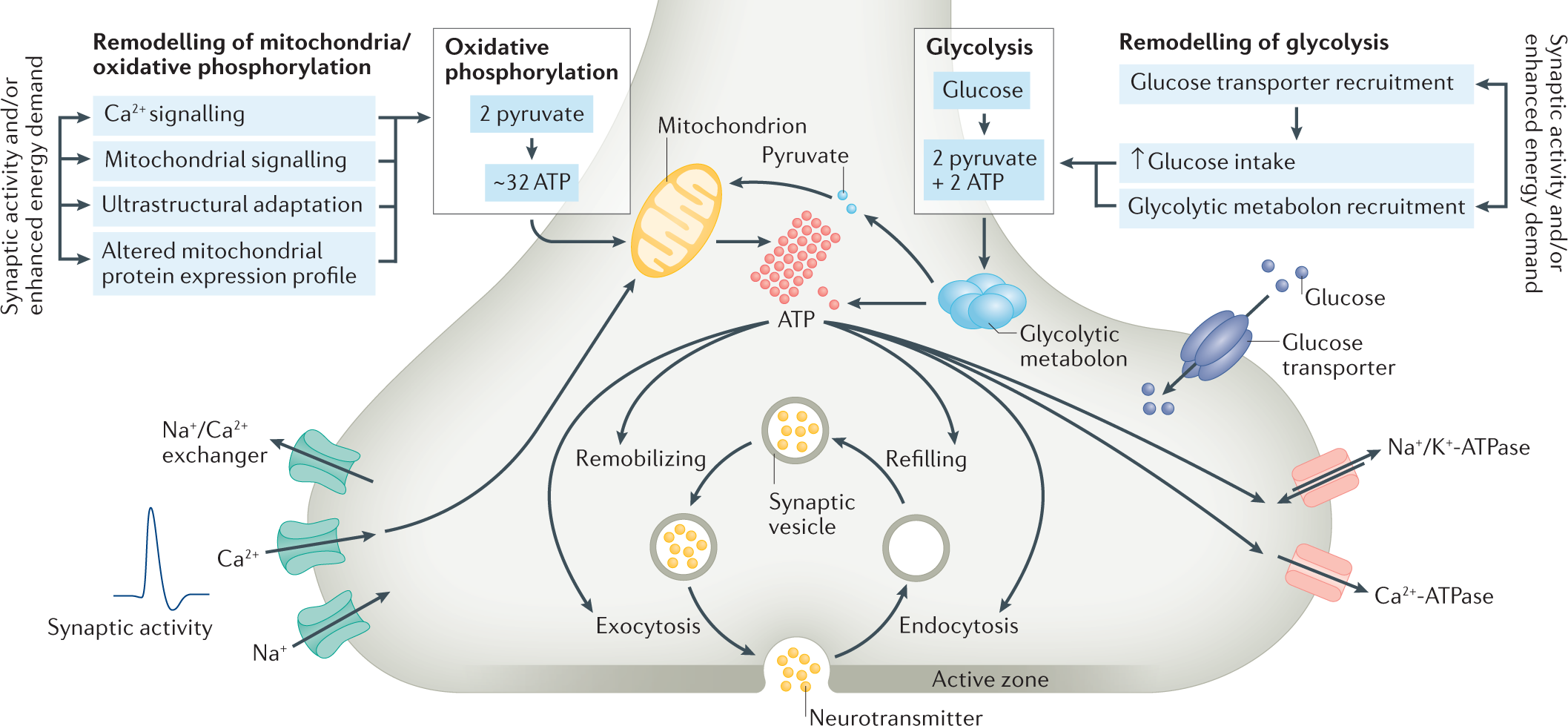
Energy matters: presynaptic metabolism and the maintenance of ...
Physiology, Adenosine Triphosphate - StatPearls - NCBI Bookshelf Adenosine triphosphate (ATP) is the source of energy for use and storage at the cellular level. The structure of ATP is a nucleoside triphosphate, consisting of a nitrogenous base (adenine), a ribose sugar, and three serially bonded phosphate groups. ATP is commonly referred to as the "energy currency" of the cell, as it provides readily releasable energy in the bond between the second and third phosphate groups.

Adenosine Triphosphate - an overview | ScienceDirect Topics
Electron Transport Chain and Energy Production - ThoughtCo Cellular respiration is a set of metabolic reactions and processes that take place in the cells of organisms to convert biochemical energy from nutrients into adenosine triphosphate (ATP), and then release waste products. normaals / iStock / Getty Images Plus The first step of cellular respiration is glycolysis.Glycolysis occurs in the cytoplasm and involves the splitting of one molecule of ...

What are the components of adenosine triphosphate ATP? - Quora
Adenosine triphosphate - Wikipedia Adenosine triphosphate is an organic compound and hydrotrope that provides energy to drive many processes in living cells, such as muscle contraction, nerve impulse propagation, condensate dissolution, and chemical synthesis. Found in all known forms of life, ATP is often referred to as the "molecular unit of currency" of intracellular energy transfer. When consumed in metabolic processes, it converts either to adenosine diphosphate or to adenosine monophosphate. Other processes regenerate ATP s
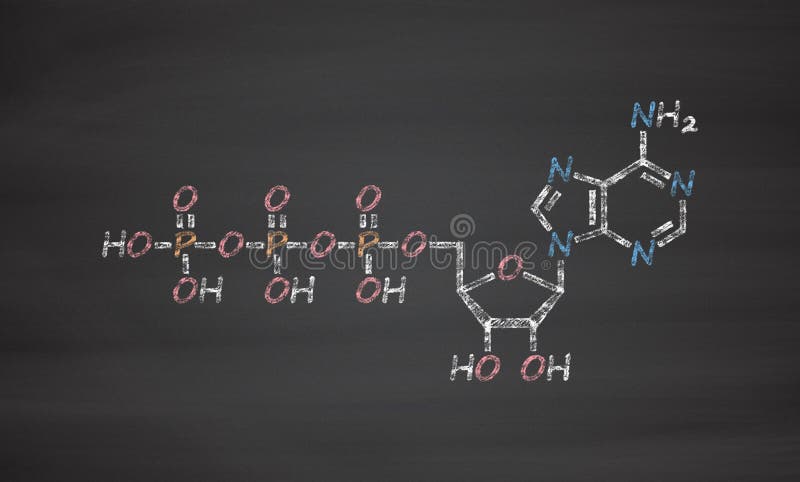
Triphosphate Atp Stock Illustrations – 171 Triphosphate Atp ...
ATP AND BIOLOGICAL ENERGY - Estrella Mountain Community College Adenosine triphosphate (ATP), the energy currency or coin of the cell pictured in Figfures 1 and 2, transfers energy from chemical bonds to endergonic (energy absorbing) reactions within the cell. Structurally, ATP consists of the adenine nucleotide ( ribose sugar, adenine base, and phosphate group, PO 4-2) plus two other phosphate groups.
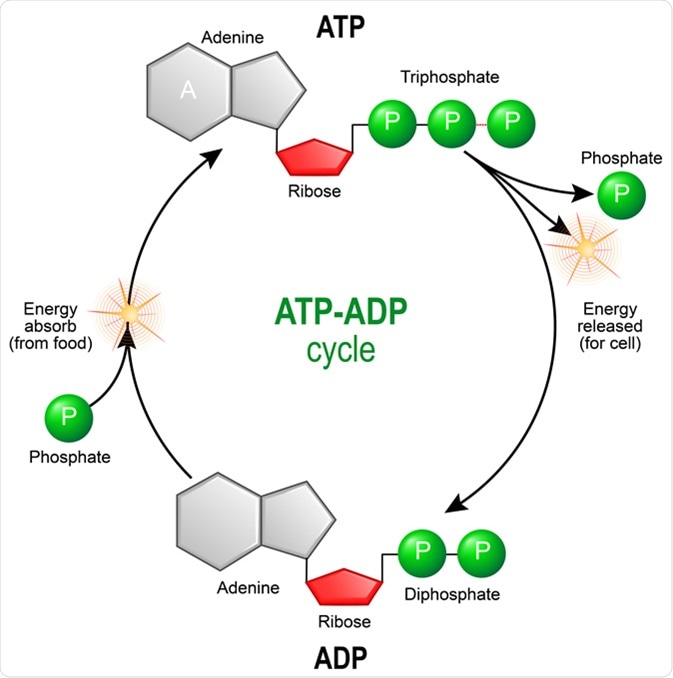
Science of Metabolism
Adenosine Triphosphate - Bristol The ATP molecule is composed of three components. At the centre is a sugar molecule, ribose (the same sugar that forms the basis of RNA). Attached to one side of this is a base (a group consisting of linked rings of carbon and nitrogen atoms); in this case the base is adenine. The other side of the sugar is attached to a string of phosphate groups.

Physical bioenergetics: Energy fluxes, budgets, and ...
Solved Adenosine triphosphate (ATP) is a molecule that - Chegg Expert Answer. 100% (100 ratings) Transcribed image text: Adenosine triphosphate (ATP) is a molecule that provides energy for cellular functions Label three major components of an ATP molecule NH, C. CH OmCH FT OH OH ribose deoxyribose guanine wo phosphate groups three phosphate groups adenine.
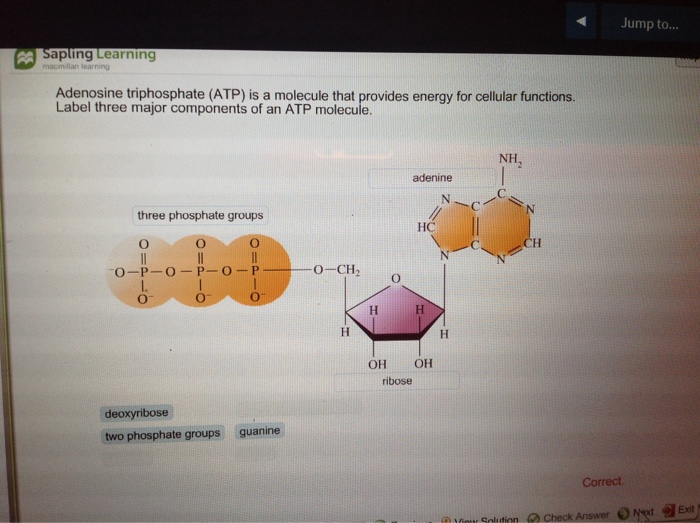
Bio Ch07 Flashcards | Chegg.com
en.wikipedia.org › wiki › Cell_(biology)Cell (biology) - Wikipedia Cell Movements and the Shaping of the Vertebrate Body Archived 2020-01-22 at the Wayback Machine in Chapter 21 of Molecular Biology of the Cell Archived 2017-09-27 at the Wayback Machine fourth edition, edited by Bruce Alberts (2002) published by Garland Science. The Alberts text discusses how the "cellular building blocks" move to shape developing embryos. It is also common to describe small ...
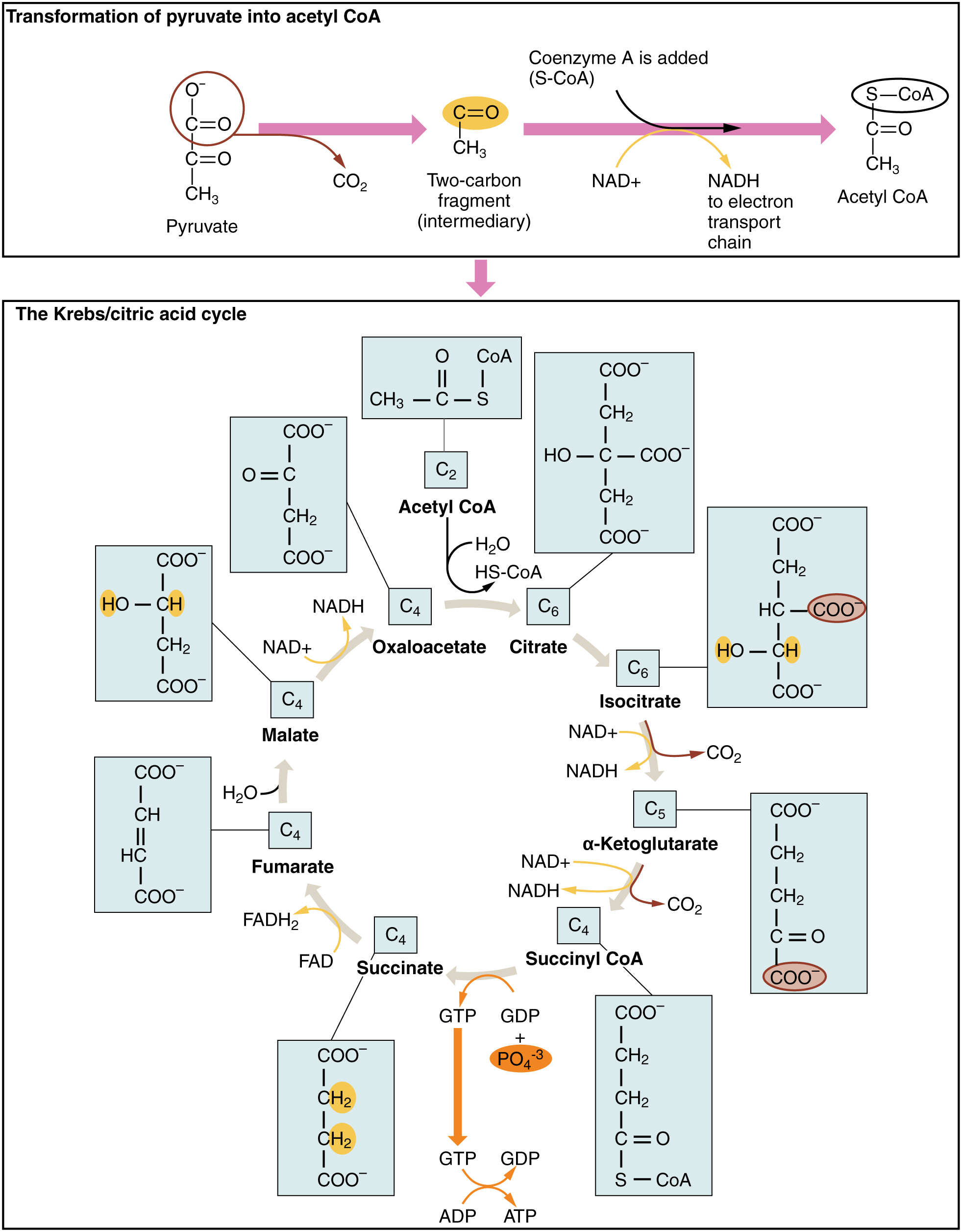
5.9: Cellular Respiration - Biology LibreTexts
Difference between ATP and ADP ADP (Adenosine diphosphate) ATP (Adenosine triphosphate) Phosphate group: It has two phosphate group: It has three phosphate group: Chemical formula: C10H15N5O10P2: C10H16N5O13P3: Molar mass: 427.201 g/mol: 507.18 g/mol: Characteristics: Low energy molecule: High energy molecule: Functions: Catabolic pathways like glycolysis, oxidative ...
A semantics, energy-based approach to automate biomodel ...
BIOL 1408 SAPLING CH 4 HW Flashcards | Quizlet Adenosine triphosphate (ATP) is a molecule that provides energy for cellular functions. Label three major components of an ATP molecule. (top) adenine (middle) three phosphate groups (bottom) ribose a carbohydrate that enters glycolysis directly glucose the direct energy source for glycolysis ATP
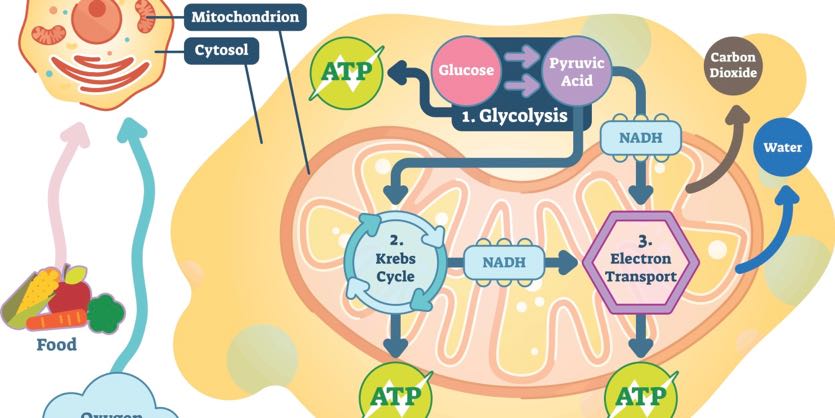
Understanding ATP—10 Cellular Energy Questions Answered - Ask ...
How Cells Obtain Energy from Food - Molecular Biology of the Cell ... During glycolysis, a glucose molecule with six carbon atoms is converted into two molecules of pyruvate, each of which contains three carbon atoms. For each molecule of glucose, two molecules of ATP are hydrolyzed to provide energy to drive the early steps, but four molecules of ATP are produced in the later steps.

PDF) ATP as Phosphorus and Nitrogen Source for Nutrient ...
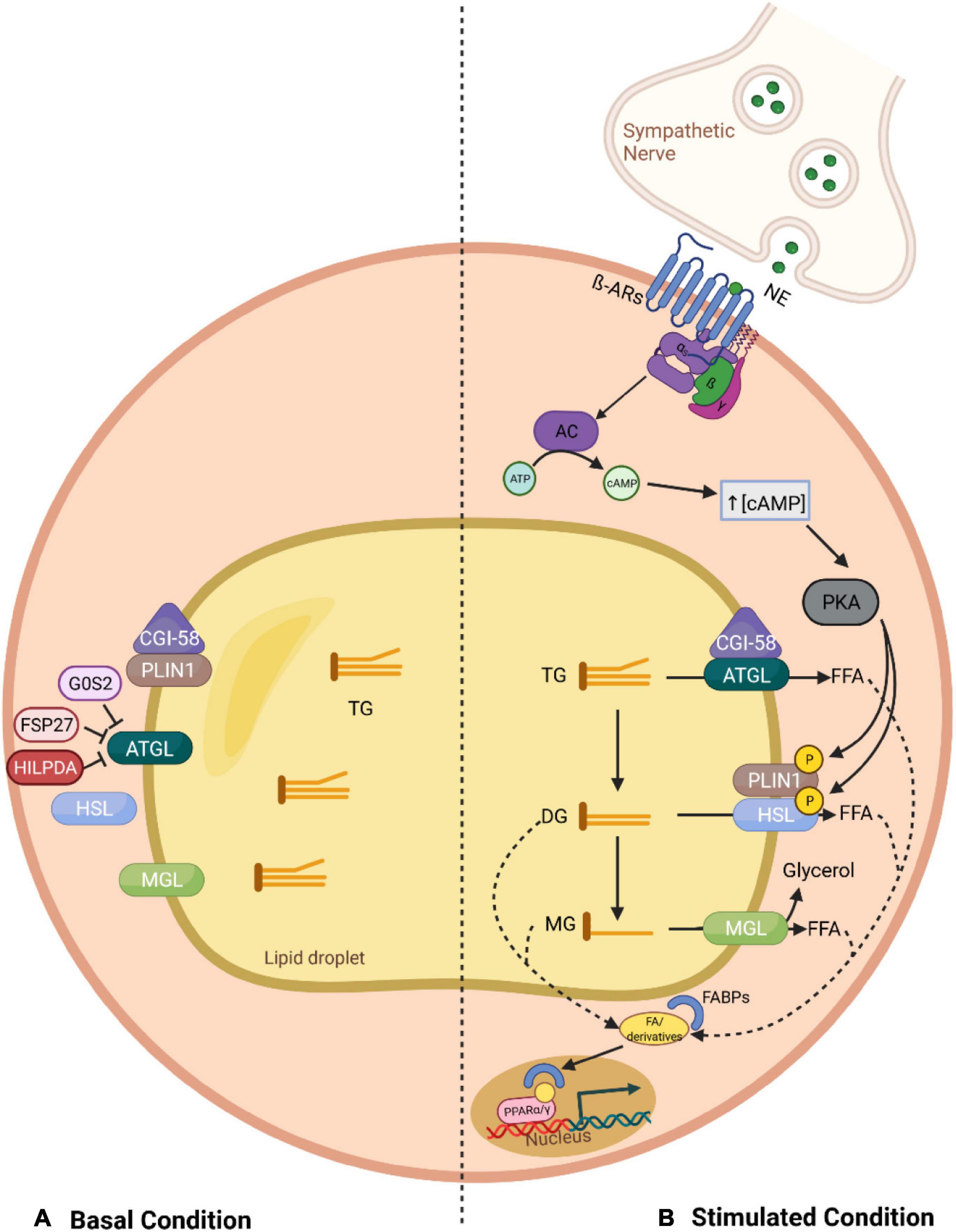
Frontiers | The Molecular Brakes of Adipose Tissue Lipolysis

ATP synthase - Wikipedia
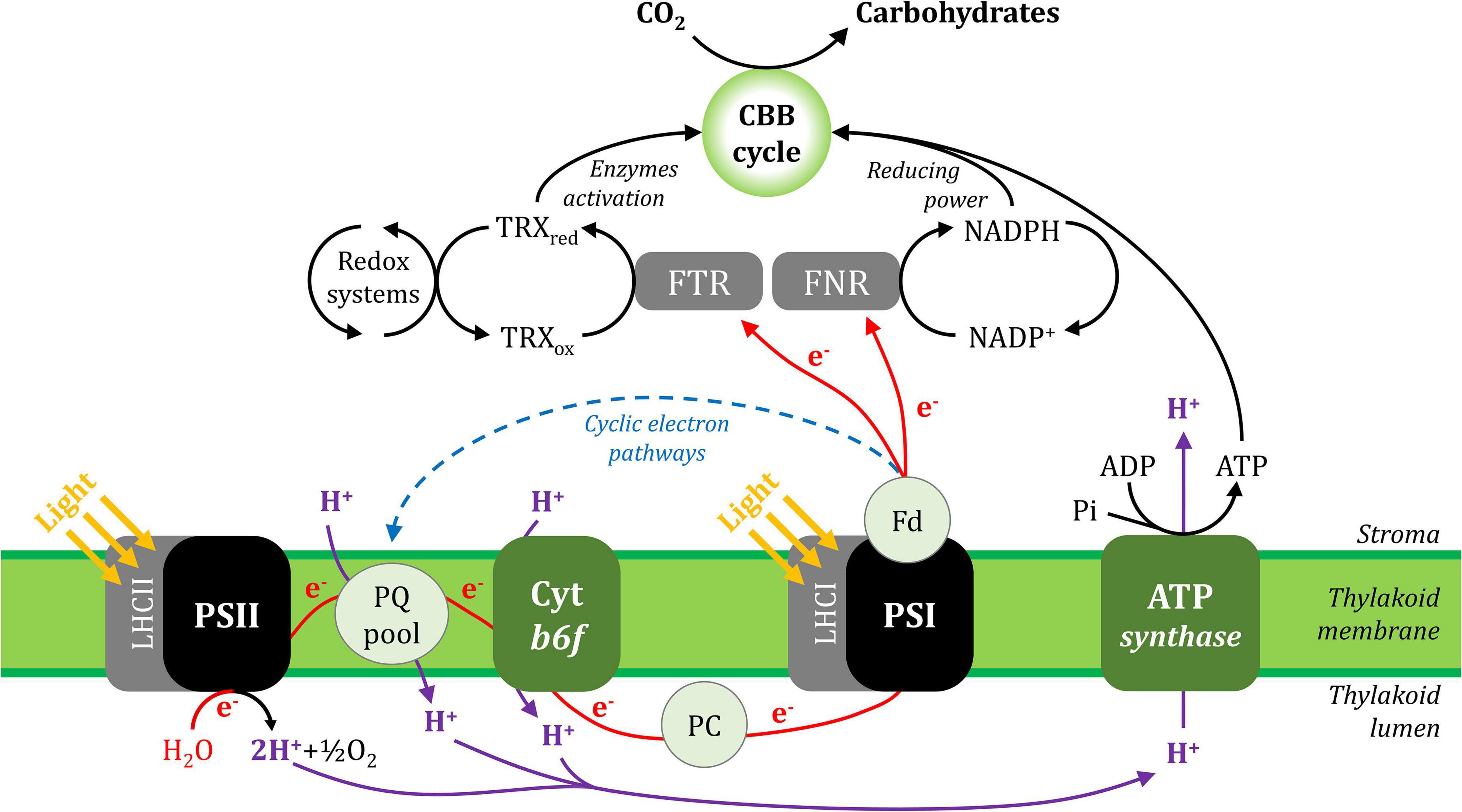
Frontiers | Photosystem I Inhibition, Protection and ...

Triphosphate Atp Stock Illustrations – 171 Triphosphate Atp ...
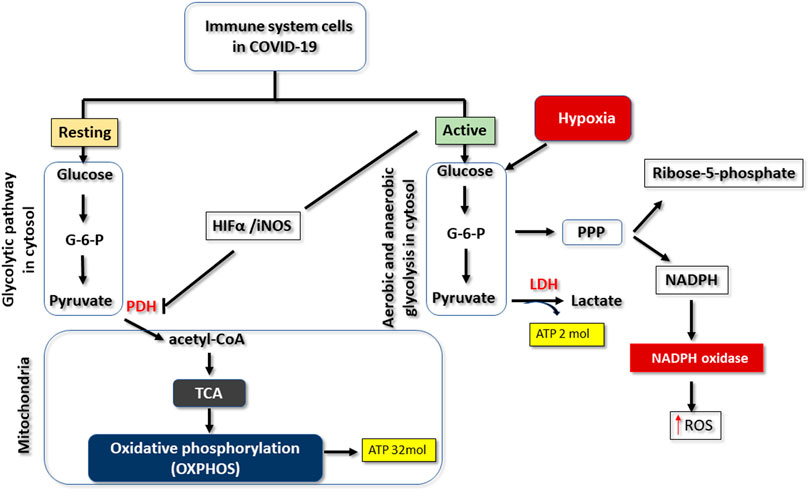
Frontiers | Changes in Glycolytic Pathway in SARS-COV 2 ...
Molecules | Free Full-Text | An Update of Nucleic Acids ...
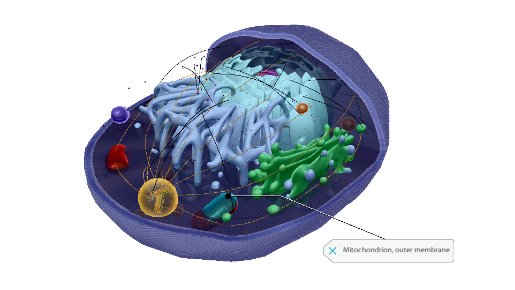
A Look Inside Mitochondria: Components, Cellular Respiration ...

Mitochondrial Dysfunction Pathway Alterations Offer Potential ...
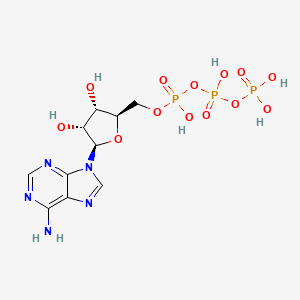
Adenosine-5'-triphosphate | C10H16N5O13P3 - PubChem

Biology I - MRS. KNIGHT'S CLASSROOM WEBSITE
Post a Comment for "41 adenosine triphosphate (atp) is a molecule that provides energy for cellular functions. label the three major components of an atp molecule."